



Board leadership and purpose
Division of responsibilities
Composition, succession and evaluation
Audit, risk and internal control
Remuneration
Principle A
A successful company is led by an effective Board, whose role is to promote the long-term sustainable success of the Company, generating value for shareholders and contributing to wider society.
Company position
Long-term sustainability, strategy development and the financial prospects of the Company’s business model are considered on an ongoing basis as part of actively engaged discussions by the Board.
Although past performance is not a guarantee of future results, the Company’s fund investments continue to demonstrate value-creation, driven by earnings growth in underlying portfolio companies. The Board manages the Company’s cash position closely to enable existing commitments to Oakley Funds and share buybacks when appropriate.
The Nomination Committee performs an annual effectiveness assessment of the Board and each of its committees to ensure continuous enhancement of Board practices, with a focus on both risks and opportunities.
Principle B
The Board should establish the Company’s purpose, values and strategy, and satisfy itself that these align with its culture. All Directors must act with integrity, lead by example and promote the desired culture.
Company position
OCI aims to provide shareholders with consistent long-term returns in excess of the FTSE All-Share Index by providing exposure to private equity returns, where value can be created through market growth, consolidation and performance improvement. The Company’s investment policy can be found within this Annual Report.
OCI invests in funds and Direct Investments managed and/or advised by the Oakley Group, enabling investors, who may otherwise not have access to private equity, to share in the growth and performance of high-quality, private European companies in attractive sectors.
The Board actively fosters and supports a culture that is open to new ideas, and influences its service providers through effective challenge and regular and robust review of performance.
OCI keenly focuses on overseeing its Investment Adviser and Operational Services provider, and as part of this, due consideration is given to alignment between the Company’s purpose, values, strategy and culture with that of Oakley.
Principle C
The Board should ensure that the necessary resources are in place for the Company to meet its objectives and measure performance against them. The Board should also establish a framework of prudent and effective controls, which enable risk to be assessed and managed.
Company position
The Company’s regular Board and committee meetings provide frequent touchpoints for measuring the Company’s performance against its objectives. The adequacy, effectiveness and appropriateness of the resources available to the Board, and the controls that it oversees, are monitored regularly at Board meetings, and form a key element of the Board’s annual effectiveness assessment. The Directors’ report outlines the activities of the Board in more detail. Please refer to the various committee reports for the respective purposes and activities of each of the committees.
Risk appetite is set at least annually, a risk report is issued quarterly, and levels of risk are maintained within Board-approved limits. If a risk is deemed to be above an early warning threshold, the Board considers the taking of mitigating actions as a priority.
Principle D
In order for the Company to meet its responsibilities to shareholders and stakeholders, the Board should ensure effective engagement with, and encourage participation from, these parties.
Company position
The Board is committed to maintaining high standards of conduct and engagement with its shareholders and stakeholders. Refer to the stakeholder engagement reporting section.
The Management Engagement Committee oversees and reviews the Company’s relationships with key service providers, ensuring accountability and promoting value-adding performance.
The Board remains committed to transparent reporting in all communications, including in Annual and Half-yearly Reports and Accounts via the Company website, through quarterly trading updates, and by means of annual shareholder meetings and Capital Markets Days. The Company has an Investor Relations programme with outreach to existing and potential shareholders, which includes regular quarterly feedback on the Company’s investor relations activities.
Principle E (not applicable)
The Board should ensure that workforce policies and practices are consistent with the Company’s values and support its long-term sustainable success. The workforce should be able to raise any matters of concern.
Company position
As agreed by the AIC and the Financial Reporting Council, Principle E is not applicable to externally managed investment companies. This Principle is therefore not addressed as part of this report.
Board leadership and purpose
Division of responsibilities
Composition, succession and evaluation
Audit, risk and internal control
Remuneration
Principle F
The Chair leads the Board and is responsible for its overall effectiveness in directing the Company. They should demonstrate objective judgement throughout their tenure and promote a culture of openness and debate. In addition, the Chair facilitates constructive Board relations and the effective contribution of all Non-Executive Directors, and ensures that Directors receive accurate, timely and clear information.
Company position
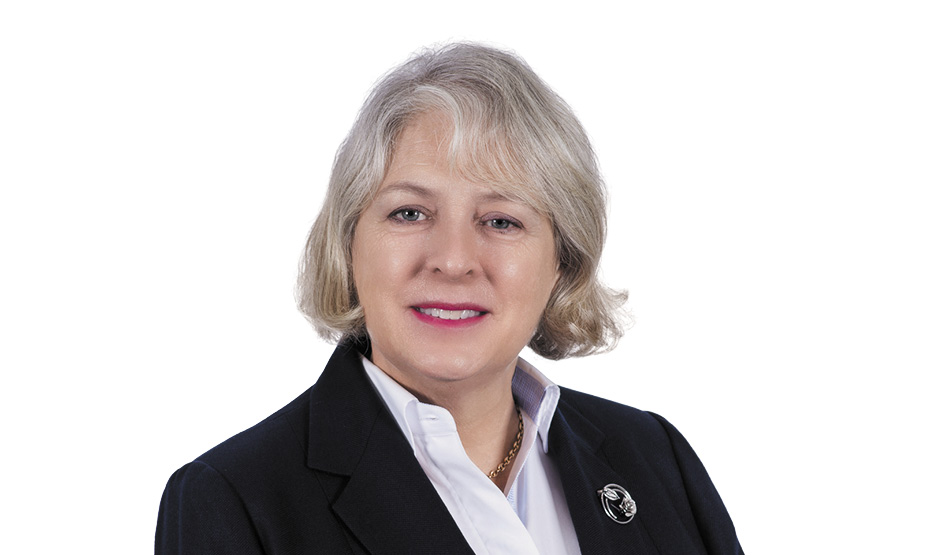
As the Chair of the Company’s Board, Caroline Foulger leads a culture of constructive challenge, openness and accountability, and demonstrates commitment to the highest standards of corporate governance . Caroline was deemed to be independent at the time of her initial appointment to the Board, and continues to be considered by the Board to remain so.
The responsibilities of the Board are set out in the Company’s bye-laws, which are published on its website: https://www.oakleycapitalinvestments.com/media/x0bhfpdm/bye-laws-of-oakley-capital-investments-2020.pdf.
The number of meetings of the Board and its committees, and the individual attendance by Directors, are noted within the Nomination Committee’s report here.
The Senior Independent Director, Richard Lightowler, leads an annual Board Effectiveness Review, which includes an assessment of the effectiveness and independence of the Chair.
Principle G
The Board should consist of an appropriate combination of Directors (and, in particular, independent Non-Executive Directors) such that no one individual or small group of individuals dominates the Board’s decision-making.
Company position
Four of the Company’s five Directors are considered independent (Caroline Foulger, Richard Lightowler, Fiona Beck, and Steve Pearce).
Richard Lightowler serves as Senior Independent Director, providing an available path of intermediation for shareholders and other Directors, while also acting as trusted adviser and sounding board to the Chair.
Peter Dubens is the founder and Managing Partner of the Oakley Capital Group, and hence is not considered independent. The independent members of the Board consider the membership of Peter Dubens, and his alternate, David Till, to be a valuable component of the Board’s effectiveness. The Company implements a strict conflicts of interest policy to mitigate any potential interference with Directors’ judgement. The Company’s Directors’ are obliged to declare their personal interests and positions at the outset of their tenure, and on an ongoing basis thereafter. Where a Director conflict has been identified, the remaining Directors will assess the nature of the conflict and the risk it may pose to the decision-making process. The actions taken to mitigate conflicts will vary depending on the specific circumstances and may include but are not limited to, obtaining legal advice on the conflict, excluding the Director from decision-making for a period of time, or delegating the Director’s vote to another Director.
The Company’s committees are open for other non-member Directors to attend, to the extent that they are not conflicted. The attendance of non-committee member Directors is a regular feature of the Committee meetings, which further enhances the transparency of the Company’s governing body. The culture of open and honest communication and forthright discussion means no individual dominates conversations that result in key decisions being taken by the Board.
Principle H
Non-Executive Directors should have sufficient time to meet their Board responsibilities. They should provide constructive challenge and strategic guidance, offer specialist advice and hold third-party service providers to account.
Company position
The Company regularly reviews and considers the number of external appointments each Director holds to ensure they have adequate time to dedicate to the Company.
A regular Board calendar is established ensuring that relevant meeting materials are provided in advance. Meeting timetables allows sufficient time to discuss agenda items and for robust discussion. Ad hoc meetings are held in accordance with business needs to discuss time-sensitive matters.
The Management Engagement Committee promotes and supports continuous improvement from both a tactical service delivery and a high-level strategic engagement perspective with all key service providers.
Operational and administration services are provided by Oakley. Clear separation is observed between the administration function, accounting and investment advisory services, and the Directors have regular direct access to both senior- and junior-level employees of Oakley as required.
Principle I
The Board, supported by the Company Secretary, should ensure that it has the policies, processes, information, time and resources it needs in order to function effectively and efficiently.
Company position
Carey Olsen Bermuda provides the Company with corporate secretarial services and maintains the Company’s registered address at the Carey Olsen offices in Hamilton, Bermuda.
The Governance, Regulatory and Compliance Committee oversees the annual review of the Company’s policies and procedures, which are supported by the Oakley Compliance team.
The Directors and each of the committees continue to have access to independent professional advice, at the Company’s expense, as appropriate.
The Risk Committee focuses on maintaining robust risk oversight by reviewing risk policies and procedures throughout the year, receiving quarterly risk reports from Oakley as adviser, and ensuring that OCI operates within its defined risk parameters.
Board leadership and purpose
Division of responsibilities
Composition, succession and evaluation
Audit, risk and internal control
Remuneration
Principle J
Appointments to the Board should be subject to a formal, rigorous and transparent procedure, and an effective succession plan should be maintained. Both appointments and succession plans should be based on merit and objective criteria and, within this context, should promote diversity of gender, social and ethnic backgrounds and cognitive and personal strengths.
Company position
The Nomination Committee completes a formal due diligence process on all appointments, in addition to conducting annual reviews on the continued suitability of Directors.
The decision-making process for Director selection and succession planning incorporates the promotion of inclusiveness, diversity and variety of professional experience as well as personal strengths. This approach is codified within the Company’s Board Diversity and Succession policies.
The terms and conditions of appointment for Non-Executive Directors are detailed within their letters of appointment and are available for inspection at the Company’s registered office during normal business hours.
After a thorough recruitment process, Steve Pearce was appointed to the Board as an independent Non-Executive Director in November 2024 and promptly disclosed through an RNS.
Principle K
The Board and its committees should have a combination of skills, experience and knowledge. Consideration should be given to the length of service of the Board as a whole, and membership regularly refreshed.
Company position
The Board considers the respective Directors' skill sets and knowledge to be complementary and provide a balance of experience and tenure. Each of the Directors are subject to reappointment at the Company’s AGM following recommendations by the Nomination Committee.
Refer to the Directors’ report for the biography of each Director.
All incumbent Directors were re-elected to the Board during the June 2024 AGM. Steve Pearce, who was appointed to the Board in November 2024, will stand for reappointment at the next AGM in 2025. Due to the long-term nature of the Company’s investments in the Oakley Funds, Director continuity and succession planning are important considerations for the Nomination Committee of the Board.
Principle L
Annual evaluation of the Board should consider its composition, diversity and how effectively members work together to achieve objectives. Individual evaluation should demonstrate whether each Director continues to contribute effectively.
Company position
Board and Committee effectiveness is formally assessed each year and actively seeks feedback from key committee and Board meeting contributors from Oakley, which is reviewed by the Nominations Committee.
The Company’s objective of promoting diversity, inclusion and collaboration feeds into the nomination and evaluation process and is discussed within the annual diversity disclosure of this report.
Board leadership and purpose
Division of responsibilities
Composition, succession and evaluation
Audit, risk and internal control
Remuneration
Principle M
The Board should establish formal and transparent policies and procedures to ensure the independence and effectiveness of the external audit function and satisfy itself on the integrity of financial and narrative statements.
Company position
The Audit Committee considers the independence, quality and effectiveness of the external auditors at least annually.
The Company rigorously adhered to its policy and procedure to ensure the independence and effectiveness of external audit and integrity of the Financial Statements and narrative reporting, particularly as it relates to the approval of the provision of permitted non-audit services by the external auditor.
Given that OCI is a UK listed company, the Audit Committee has decided to voluntarily apply the AIC Corporate Governance Code and aspects of UK Companies Act 2006, specifically, the 20-year maximum audit tenure for all UK Public Interest Entities under EU audit reform and UK adopted law. KPMG were first appointed as OCI’s Auditor for the year-end 31 December 2007, and in applying the mandatory rotation rules, the final year-end audit for KPMG will be 31 December 2026 or sooner. Consequently, the Audit Committee has recently initiated a process to appoint a new auditor and is committed to ensuring that the tender is fair and competitive.
Principle N
The Board should present a fair, balanced and understandable assessment of the Company’s position and prospects.
Company position
The Company’s financial position and prospects are reviewed on an ongoing basis. This includes assessment and monitoring of emerging and principal risks relevant to the Company’s business model. The Annual and Half-yearly Reports and Accounts published in 2024 provided fair, balanced and understandable commentary on the Company’s position and prospects.
Principle O
The Board should establish procedures to manage risk, oversee the internal control framework and determine the nature and extent of the principal risks the Company is willing to take in order to achieve its long-term strategic objectives.
Company position
The Risk Committee of the Board proposes at least annually to the Board the level of risk tolerances, balancing risk and opportunity. Quarterly risk monitoring clearly distinguishes where the Board can set tolerances and control risk, or where it can monitor for early warning signals to trigger engagement with service providers or other external parties for other potential actions.
Emerging risks are monitored and incorporated into the risk appetite framework as opportunities arise or new market or strategic objectives emerge.
The Audit Committee also maintains oversight of the Company’s internal financial reporting controls and considers the internal financial reporting controls of Oakley.
Principle P
Remuneration policies and practices should be designed to support strategy and promote long-term sustainable success.
Company position
All Independent Directors of the Company are paid a fixed Directors’ fee established at a level to attract and retain high-quality candidates. Peter Dubens, who is not considered to be independent, does not receive a Directors' fee.
Additionally, the Company has adopted a policy whereby Independent Directors are required to hold shares in the Company to the value of, at a minimum, one year’s fees within three years of appointment. As at 31 December 2024, all Directors, having been a Director of the Company for at least three years, met this requirement.
Principle Q
A formal and transparent procedure for developing remuneration policy should be established. No Director should be involved in deciding their own remuneration outcome.
Company position
The Remuneration Committee benchmarks the Directors' remuneration against market peers at least annually to assess the ongoing appropriateness and fairness of its remuneration framework. A review of Directors' remuneration was conducted in November 2024, and the Remuneration Committee is considering whether the remuneration paid is reflective of the level of engagement provided by the Directors and aligned with the Company’s peers. Further detail is included within the Remuneration Committee’s Remuneration report.
Principle R
Directors should exercise independent judgement and discretion when authorising remuneration outcomes, taking account of Company and individual performance, and wider circumstances.
Company position
In setting Directors’ fees, the Remuneration Committee considers a number of factors including: Company performance, operating complexities, individual contribution and market circumstances. The Company’s Remuneration Committee is responsible for the setting the remuneration of the Board, while ensuring that no Director determines their own remuneration.